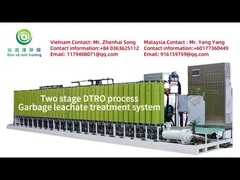
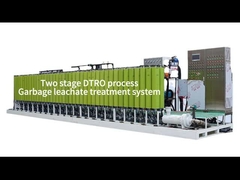
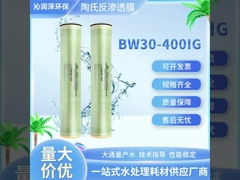
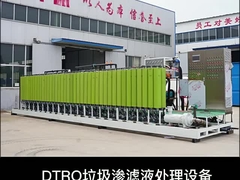
Brief: Discover the DTRO Disc Tube Reverse Osmosis Membrane, a cutting-edge solution for sewage treatment and garbage leachate. This patented technology ensures efficient filtration of high-concentration feed solutions with minimal maintenance. Learn how its unique design prevents blockages, extends membrane life, and delivers high-performance results in various industrial applications.
Related Product Features:
Open flow channel design prevents physical blockages and ensures smooth operation.
Turbulent flow technology reduces membrane scaling and pollution, even with high SDI values.
Long service life of up to 5 years, with easy maintenance and on-site repairs.
High recovery rates (75%-90%) and low operating costs (less than 2 yuan per ton of water).
Effective in treating highly polluted water sources, including industrial wastewater and leachate.
Standardized design allows for easy disassembly and customization of membrane components.
Widely used in seawater desalination, garbage leachate treatment, and emergency water supply.
Proven technology with over 30 years of successful global applications and thousands of cases.
สอบถาม:
What makes the DTRO membrane suitable for high-concentration wastewater treatment?
The DTRO membrane's open flow channel and turbulent flow design prevent blockages and scaling, making it ideal for high-concentration wastewater like industrial effluents and garbage leachate.
How long does the DTRO membrane typically last?
The DTRO membrane has a long service life of up to 5 years, thanks to its reduced fouling and easy cleaning features, even in harsh conditions like direct leachate treatment.
What are the key applications of the DTRO disc tube reverse osmosis membrane?
The DTRO membrane is used in garbage leachate treatment, seawater desalination, industrial wastewater reuse, emergency drinking water supply, and biopharmaceutical process separation.
How does the DTRO membrane compare to traditional reverse osmosis systems?
The DTRO membrane offers higher recovery rates, lower operating costs, and better resistance to clogging and scaling compared to traditional roll-type reverse osmosis systems.